
30+ Years
Experience


Experience
The Union of Tanzania Press Clubs is abbreviated as UTPC. It is an umbrella body of press clubs in Tanzania. So far it has 28 press clubs which are its members. These press clubs are geographically located all over Tanzania. UTPC is a non governmental organization which was established in 1996 and registered in 1997.It was formed by press clubs to act as their umbrella. It is a membership based organization. Its headquarters is in Dodoma.
Our programmes and interventions ignite change, empowering communities with innovative solutions for sustainable growth, education, health, and resilience
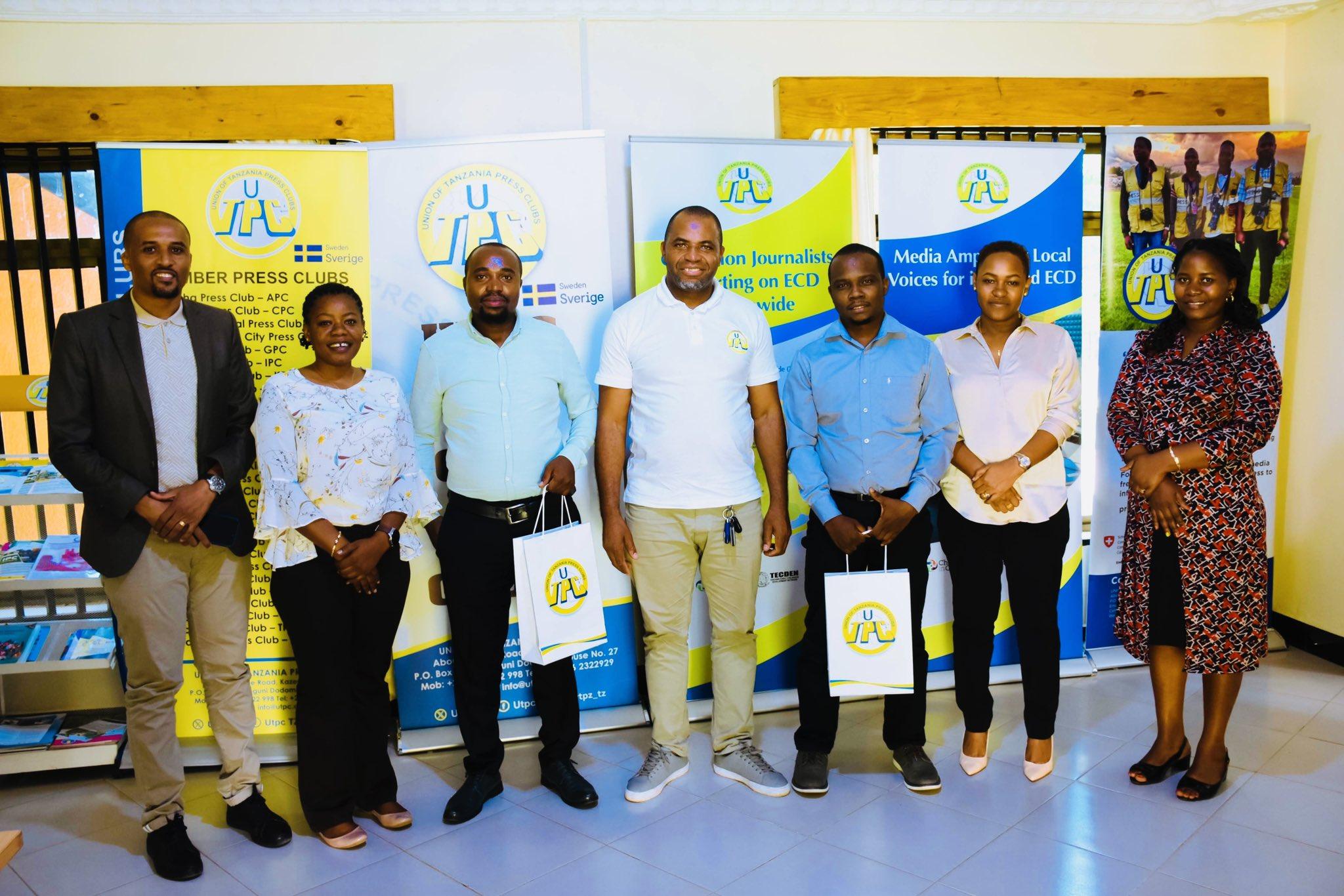
CiC and UTPC launched the "Mtoto Kwanza!" project to improve Early Child Development (ECD) in Tanzania. They trained 26 journalists to raise ECD awareness and enhance local media's capacity.

At UTPC, safeguarding journalists' rights, safety, and well-being is central to our mission. Protecting them is vital for preserving press freedom, promoting transparency, and supporting democratic governance amidst evolving media challenges.
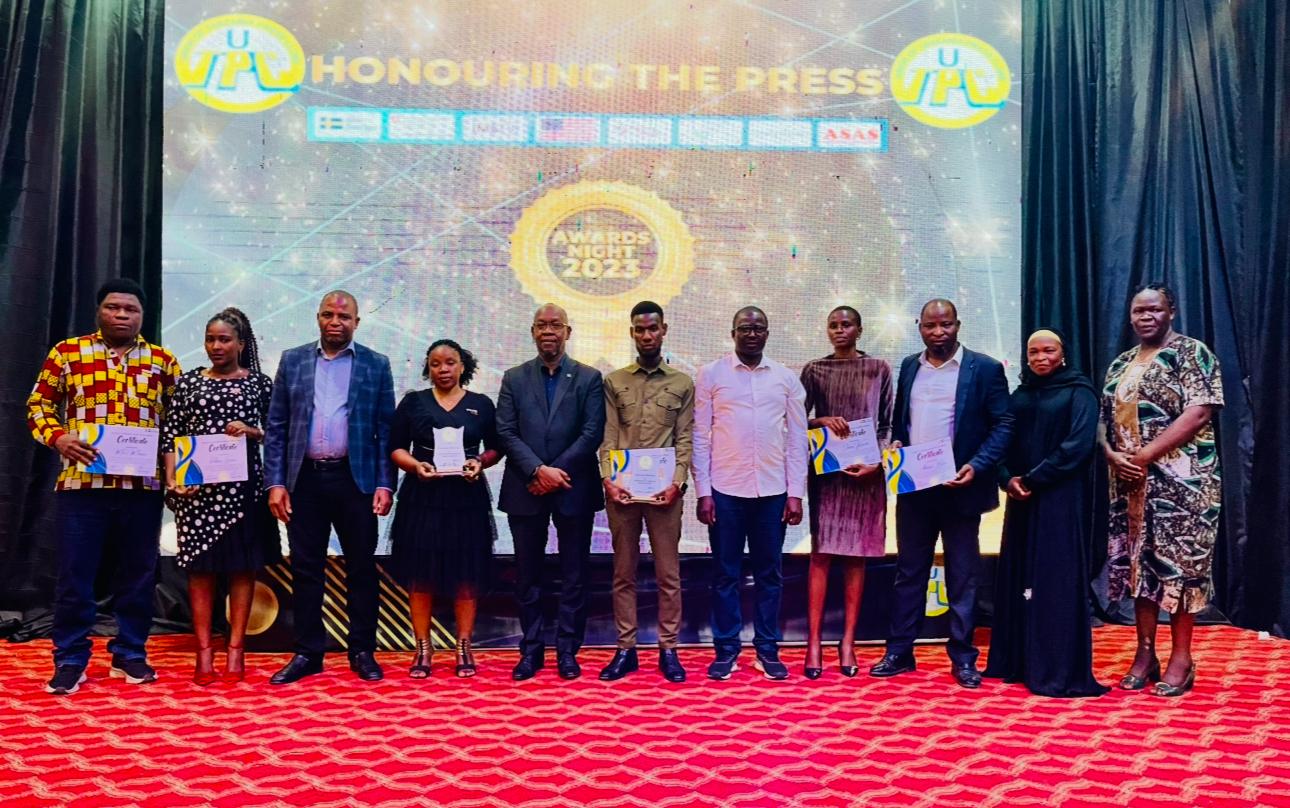
The Daudi Mwangosi Prize, organized annually by the Union of Tanzania Press Clubs (UTPC), honors Channel Ten journalist Daudi Mwangosi, who was killed by police while on duty in Iringa in 2012.
Years Experience
Programmes
User impacted
Regions covered
“The Union of Tanzania Press Clubs has greatly impacted my career. Their workshops and resources have sharpened my skills, fostering a collaborative environment that promotes press freedom and ethical journalism across the nation.”

“The Union of Tanzania Press Clubs has significantly enhanced my journalism career. Their training programs and support have improved my skills, enabling me to produce more impactful stories and advocate for press freedom and ethical journalism.”








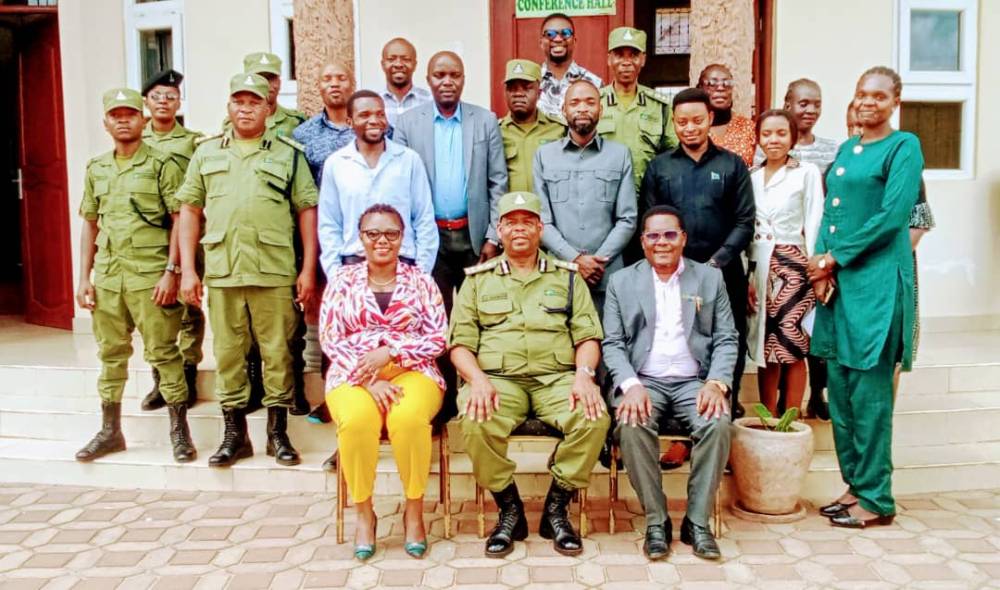
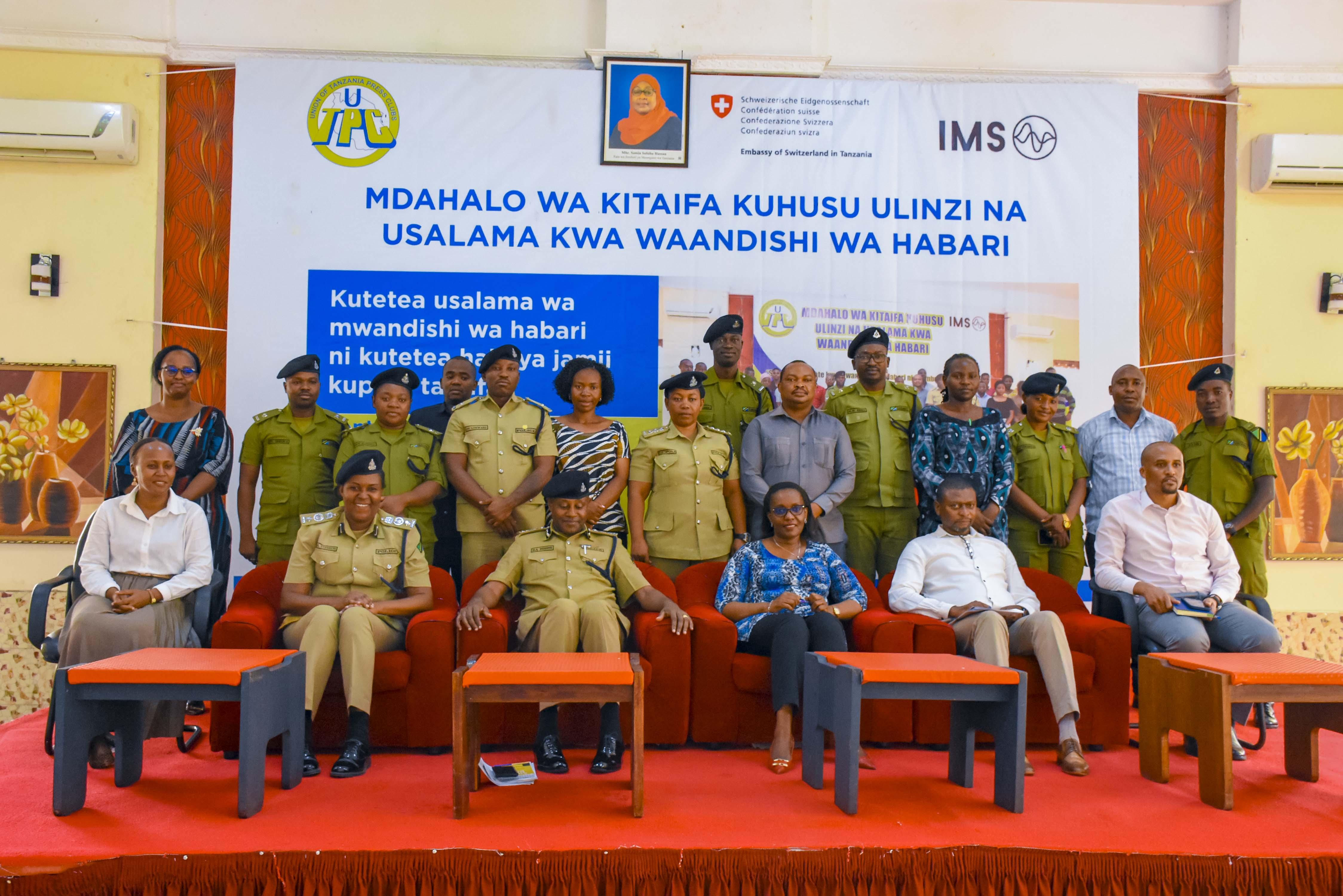
On September 20, 2025. The Regional Police Commander (RPC) of Mtwara, Senior Assistant Commissioner of Police (SACP) Issa Suleman, has pledged to fully safeguard journalists' safety and security during this critical period leading up to the general election on October 2025.
Speaking during a dialogue on the safety and security of journalists, Commander Suleman said the police force is ready to collaborate with stakeholders to develop joint strategies to maintain peace and ensure journalists can carry out their duties freely.
“The police force is ready to engage in dialogue and develop joint strategies to strengthen peace, stability, and safety and ensure that journalists can carry out their responsibilities freely and transparently throughout the general election process,” said RPC Suleman.
The dialogue took place at Lavile Hotel in Mtwara and was organized by the Union of Tanzania Press Clubs (UTPC) in collaboration with the Mtwara Press Club. It brought together stakeholders from various sectors, including religious institutions, the police force, civil society organizations, political parties, journalists, and government representatives.
Commander Suleman emphasized that the police force continues to respect the journalism profession and urged journalists to likewise respect other professions. He added that the police are primarily responsible for protecting the safety of all citizens.
“You (journalists) must also respect other professions, and remember that the police force is the principal body responsible for maintaining security,” he added.
The Chairperson of the Mtwara Press Club, Ms. Grace Kasembe, stated that the purpose of the dialogue was to openly and deeply discuss the security challenges facing journalists, especially those reporting on issues of public interest.
“This dialogue organized with the sincere intention to openly and thoroughly address matters concerning the safety and protection of journalists in Mtwara, particularly those covering public interest stories,” said Kasembe.
She emphasized that media play a vital role in ensuring the electoral process is free, fair, and democratic. However, this goal cannot be achieved if journalists continue to face threats and hazardous work environments.
Advocate Thimotheus Mophath Sallusi also affirmed that journalists have the right to perform their duties without interference, and they also have the right to legal defense if they encounter professional challenges.
However, he added that some journalists are afraid to report sensitive stories “Some government officials withhold information, and even when journalists request it, they are not provided,” he noted.
This dialogue is part of the implementation of the Empowering Journalists for Informed Communities project, carried out by UTPC in partnership with IMS and Jamii Africa.

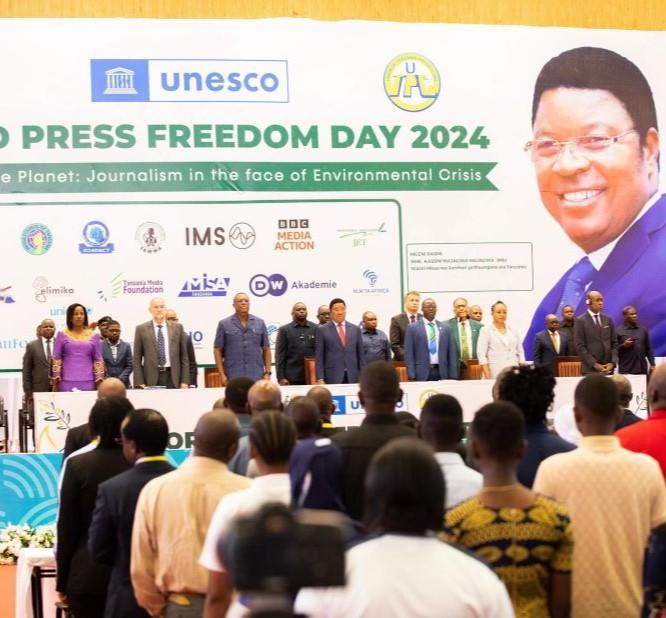
A three year project to support and empower journalists in Tanzania has been launched in Dar es Salaam. The project tittled “Empowering Journalists for an Informed Society,” will run from 2025 to 2027 and funded by the European Union (EU) and the Swiss Agency for Development and Cooperation (SDC), This project will be implemented by International Media Support (IMS), the Union of Tanzania Press Clubs (UTPC), and JamiiAfrica.
At the launch, journalists and media experts discussed how journalism is more important than ever, especially in the digital age. They shared ideas about how to protect the profession and improve the quality of news in the country.
One of the speakers, Imani Luvanga, said media institutions in Tanzania should do more to protect journalists. She also said that training should focus on journalists who are passionate about learning, and that trainers should be people who actively work in journalism. She said this, will help build trust and makes the training more practical and real.
Speaking at the event, UTPC Exeucutive Director Kenneth Simbaya said the project aims to give a voice to people in the community. He added that some stories may not be welcomed by everyone, but that’s part of good journalism. He explained that through this project, they will work closely with the government to help leaders understand why free and independent journalism is important for the country.
JamiiAfrica Director Maxence Melo said some people may think the project is only about elections, but that’s not true. “We’re happy that the project starts before the elections and will continue during and after,” he said.
He added that journalists will be trained on how to use technology to spot fake news and understand where it comes from. He also said they have built strong partnerships, including with UTPC and the Legal and Human Rights Centre (LHRC), to make sure the project is successful.
IMS Executive Director Jasper Højberg also spoke during the launch. He said it is important to work together on such projects, especially since getting funding is often a challenge. He said IMS supports partnerships and wants to create a better environment for journalists to do their work. He also encouraged media outlets to find creative ways to grow and become more sustainable as businesses.
Mr. Højberg noted that while Tanzania is improving in media development, there are still problems that need attention and this project will help to solve them.
EU Deputy Ambassador Isabelle Mignucci praised the project and said it will help build a better future for the media in Tanzania. “We are working together to make sure every voice is heard and that people get correct and reliable information,” she said. She added that the EU sees a strong media sector as key to democracy and government accountability. She also noted that the project, will focus on helping young people, women, and people in rural areas who often don’t get the attention they deserve.
Also speaking at the event was Mr. Holger Tausch, Head of Cooperation at the Swiss Embassy. He thanked UTPC for the work they’ve done to protect journalists. He mentioned UTPC’s efforts in tracking attacks on journalists and helping them. He also appreciates safety dialogues with the police, which have helped build better relationships.
Mr. Tausch said Switzerland’s support for this project shows their long standing commitment to press freedom and journalist safety. He also referred to UTPC’s 2024 report, which recorded 20 cases of journalist violations. He praised the efforts to support those affected and emphasized the importance of continuing these safety talks across the country.
Even though Tanzania has made progresns in global press freedom rankings, Mr. Tausch reminded everyone that there is still work to do. The new project is expected to help tackle these challenges and build a stronger and safer media environment in Tanzania.
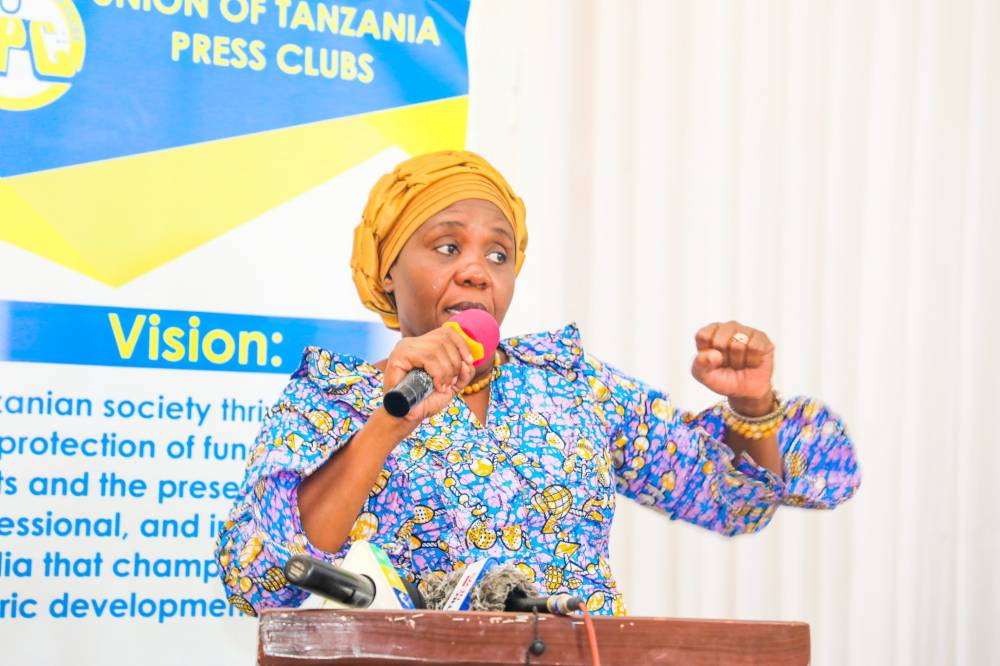
The Minister for Community Development, Gender, Women, and Special Groups, Hon. Dorothy Gwajima, has officially launched a specialized training program for champion journalists, community radio stations, and Press Club coordinators. This training aims to enhance awareness and advocacy for the National Integrated Early Childhood Development Program (PJT-MMMAM) through the Mtoto Kwanza Phase II Project.
This three-year project commenced in October 2024 and is set to conclude in September 2027. The training has been organized by Children in Crossfire (CiC) in collaboration with other implementing partners, including the Union of Tanzania Press Clubs (UTPC) and TECDEN.
During the launch event, representatives from the President’s Office – Regional Administration and Local Government (TAMISEMI) attended to further support the project's implementation at the community level.
In her opening speech, Minister Gwajima emphasized the critical role of journalists, particularly those in community radio stations, in educating the public about Early Childhood Development (ECD). She urged them to disseminate information that empowers communities to make informed decisions, including advocating for improved access to ECD services.
The Minister also commended UTPC for its dedication to promoting community development through informative reporting on community radio and other media platforms.
Furthermore, she highlighted key priorities for enhancing the well-being of Tanzanian children, including:
Additionally, Minister Gwajima urged journalists to uphold ethical reporting standards, particularly by protecting children’s privacy and refraining from displaying their faces in media coverage.
Through the Mtoto Kwanza Phase II Project, the government and its partners anticipate increased awareness and deliberate actions by both communities and the government to ensure children grow up in environments that foster their holistic development.